
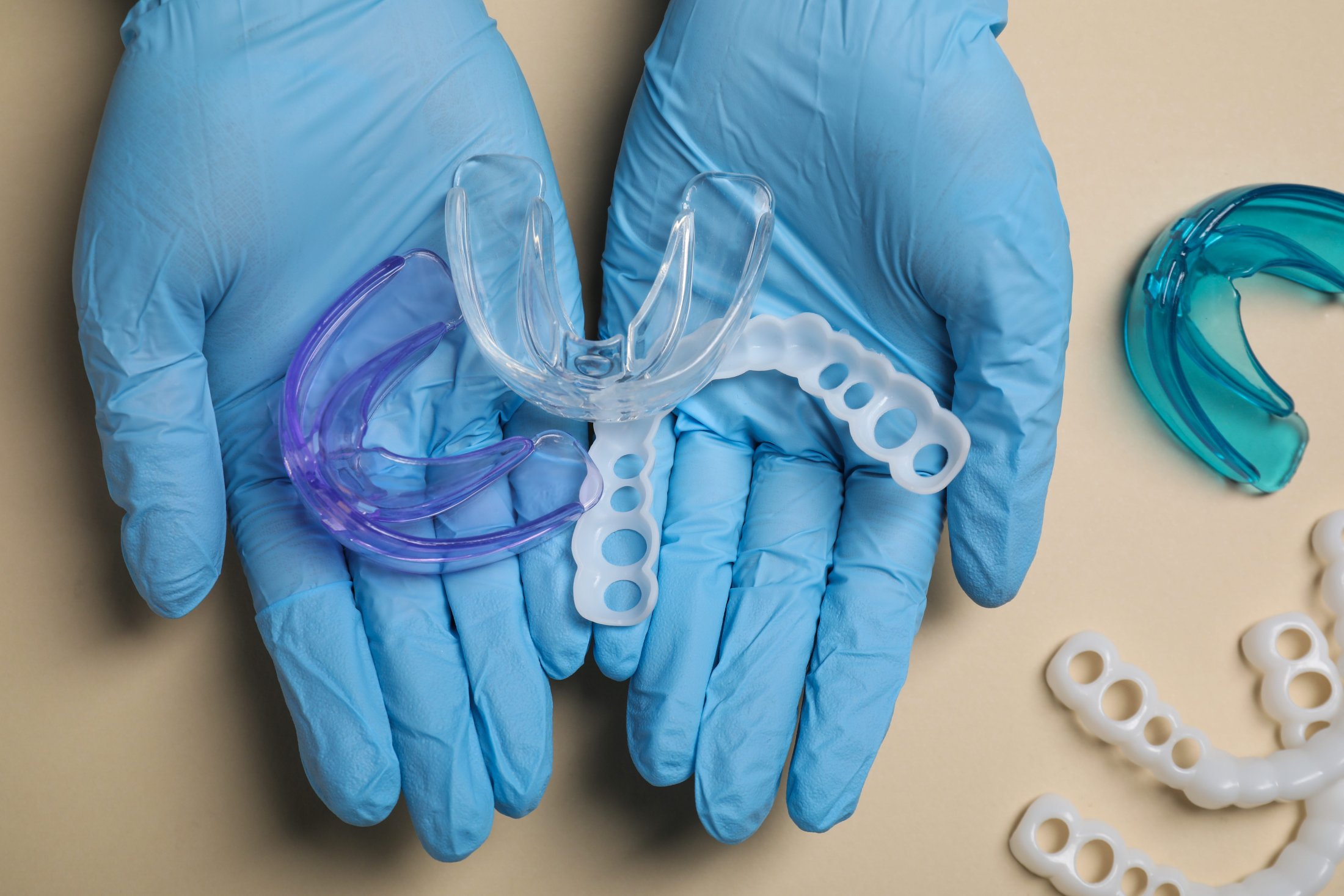
Athletes invest significant time and energy perfecting their skills. Yet, all too often, one critical piece of safety gear is overlooked—mouth guards. This small but mighty device plays a crucial role in protecting not only your teeth, but also your overall oral health while you’re in the game. Whether you’re playing contact sports or engaging in high-risk recreational activities, a mouth guard is essential to ensure that a winning performance doesn’t come at the cost of your smile.
At Elmhurst Oral Surgery, we understand the importance of preventive care when it comes to maintaining healthy, confident smiles. This is why we strongly advocate for the use of mouth guards. They’re not just a precaution—they’re a necessity for athletes of all ages.
Why Mouth Guards Matter
Sports and recreational activities inevitably carry risks of injury. However, when it comes to dental injuries, the stats might surprise you. According to research, athletes are 60 times more likely to suffer damage to their teeth if they are not wearing a mouth guard.
Mouth guards act as a cushion that absorbs and redistributes impact force, protecting the teeth, gums, jaw, and even the brain in certain high-contact sports. Without this protection, injuries like chipped or knocked-out teeth, fractures, and serious jaw injuries are far more likely to occur. For those who prioritize both performance and well-being, this simple tool can mean the difference between confidence in the game and an emergency trip to the oral surgeon.
Beyond Teeth Protection
The benefits of mouth guards aren’t limited to preventing broken or lost teeth. Here are several additional ways they safeguard your health:
- Jaw Protection
Mouth guards cushion the jaw and reduce the risk of fractures and dislocations during collisions or falls.
- Potential Concussion Prevention
While not universally proven, some studies suggest mouth guards can minimize the risk of concussions by absorbing shock. Though wearing a helmet is critical, mouth guards offer an added layer of precaution.
- Soft Tissue Safety
With their snug fit, mouth guards prevent cuts and bruises to the tongue, cheeks, and lips, which are especially vulnerable during high-impact sports.
- Preservation of Dental Work
If you’ve invested in orthodontics, crowns, veneers, or implants, a mouth guard helps protect this work from damage.
Types of Mouth Guards
Not all mouth guards are created equal. The type of mouth guard you choose will impact its comfort, durability, and level of protection. Here’s a breakdown of the three main types:
1. Stock Mouth Guards
These pre-formed guards are available off the shelf at most sporting goods stores. While they’re inexpensive and immediately usable, they are often bulky, poorly fitting, and less effective at providing comprehensive protection.
2. Boil-and-Bite Mouth Guards
Slightly more advanced, these are softened in boiling water and then molded to the shape of your teeth. They strike a balance between affordability and customization, offering a better fit compared to stock options.
3. Custom-Fitted Mouth Guards
Crafted specifically for your mouth by a dental professional, these guards are the gold standard in comfort, durability, and protection. While they cost more upfront, the unparalleled fit and long-term benefits make them worthwhile investments—especially for athletes in high-risk sports.
How to Choose the Right Mouth Guard
Selecting a mouth guard involves more than just a trip to the store. Here are factors to consider to ensure you choose the best option for your needs:
- Fit and Comfort
The mouth guard should fit snugly, stay in place, and allow for easy breathing and speaking. An ill-fitting guard may distract you during play.
- Level of Protection
High-impact sports like football or hockey demand custom-fitted guards, while a boil-and-bite option may suffice for low-impact sports.
- Durability
Look for a guard that can withstand your sport’s intensity. Custom-fitted options are particularly durable, making them ideal for regular use.
- Material Safety
Ensure the mouth guard is made from non-toxic materials and free of harmful chemicals.
Caring for Your Mouth Guard
To maximize the lifespan of your mouth guard and maintain its protective abilities, proper care is essential:
- Clean After Every Use
Rinse your mouth guard with cold water, or mouth rinse after use. Periodically clean it with a toothbrush and non-abrasive toothpaste.
- Store Safely
Keep the guard in a perforated container to allow airflow and prevent bacteria or mold buildup.
- Avoid Heat Exposure
High temperatures can deform the material, rendering the mouth guard less effective. Keep it away from hot water, appliances, or direct sunlight.
- Regularly Inspect for Wear
Replace your mouth guard if it shows cracks, tears, or loss of fit. For growing children and teens, frequent replacements may be necessary to accommodate mouth changes.
Prioritize Oral Health on and Off the Field
Mouth guards are a simple but powerful tool to help you avoid avoidable injuries and maintain your oral health. At Elmhurst Oral Surgery, we believe prevention is always better than cure. Protecting your teeth and gums today saves you time, money, and discomfort in the future.
The sports field should be a place to excel—not a setting for unnecessary risks. By incorporating a properly fitted mouth guard into your sports gear, you’re prioritizing not just your performance, but also your well-being.
Take Action Today
Whether you’re an amateur athlete or a seasoned professional, the importance of a mouth guard cannot be overstated. If you’re unsure which type is best for you or need assistance getting a custom-fitted option, consult with your dental professional. Elmhurst Oral Surgery is here to guide you toward making the choice that’s right for your oral health needs.
Remember, your smile is one of your most valuable assets. Protect it with care, invest in a quality mouth guard, and play every game with confidence.