
When a tooth is lost—whether from injury, decay, or infection—it’s easy to assume the problem ends there. If the pain is gone and the gap is out of sight, it may not feel urgent to replace it. However, even a single missing tooth starts a chain reaction below the surface that can affect your bite, your jawbone, your smile, and your long-term oral health.
As oral and maxillofacial surgeons, we see the consequences of untreated tooth loss every day. The good news? With modern dental implants, you can restore your tooth, your confidence, and your oral health before bigger issues develop.
The Hidden Effects of a Missing Tooth
1. Bone Loss in the Jaw
Your teeth don’t just help you chew—they stimulate your jawbone. When a tooth is missing, the bone in that area no longer receives pressure from chewing. Without that stimulation, the body begins to resorb (shrink) the bone, which can lead to:
-
A sunken or aged facial appearance
-
Weaker support for neighboring teeth
-
Long-term changes to your facial structure
Bone loss begins within a few months of losing a tooth and becomes more significant over time.
2. Shifting and Misalignment
Teeth work as a team. When one is missing, the others slowly begin to drift into the open space. Over time, this can cause:
-
Crooked or tilted teeth
-
Bite changes
-
Gaps or crowding
-
Difficulty cleaning certain areas (which leads to decay or gum disease)
What starts as a single missing tooth can eventually affect your entire bite.
3. Bite Problems and TMJ Stress
When teeth shift, your bite changes. An uneven bite can place extra pressure on your jaw joint (TMJ), potentially causing:
-
Jaw or facial pain
-
Headaches
-
Clicking or popping in the jaw
-
Difficulty chewing comfortably
A small gap can lead to a big functional problem.
4. Increased Wear, Cracks, and Damage
With fewer teeth sharing the workload, the remaining teeth must handle more force. Over time, this can lead to:
-
Chipped teeth
-
Cracks
-
Faster enamel wear
-
Tooth sensitivity
It’s a domino effect—one missing tooth can make the others work overtime.
5. Higher Risk of Gum Disease
A gap between teeth is harder to keep clean, especially along the gumline. Food and bacteria collect more easily in open spaces, increasing the risk of:
-
Gum inflammation
-
Infection
-
Periodontal (gum) disease
-
Decay of surrounding teeth
Why Dental Implants Are the Gold Standard
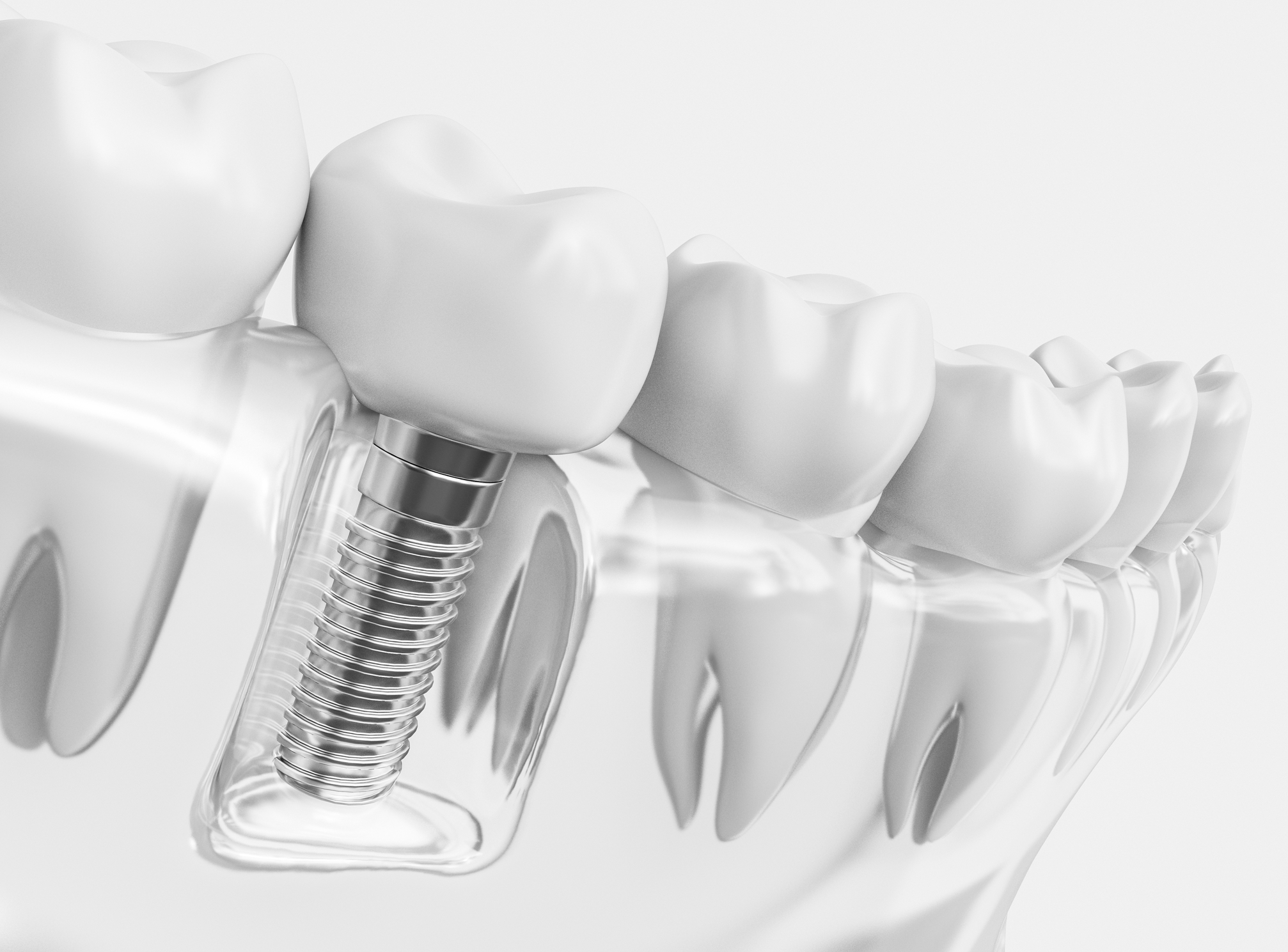
A dental implant is the only replacement option that restores both the tooth and its root. This makes it the most natural, strongest, and longest-lasting solution.
Dental implants:
-
Prevent bone loss by stimulating the jaw
-
Keep surrounding teeth stable
-
Restore full chewing strength
-
Look, feel, and function like a natural tooth
-
Can last decades with proper care
Unlike bridges or dentures, implants preserve long-term oral health, not just appearance.
What Happens If You Wait Too Long?
The longer a tooth is missing, the more bone loss occurs—and in advanced cases, a patient may require bone grafting before an implant can be placed. Replacing a tooth early leads to:
-
Shorter treatment time
-
Easier implant placement
-
Faster healing
-
Better long-term results
The Bottom Line
Ignoring a missing tooth may not cause immediate pain, but it does have long-term consequences. Replacing it with a dental implant protects your smile, bone, bite, and overall oral health. Acting early preserves more of your natural bone and prevents avoidable complications.